


Does Chlorine Cause Hair Loss? What Swimming Can Do to Your Hair
If you spend a lot of time in the pool and start noticing that your hair feels dry, brittle or different than it did before, it is easy to blame the chlorine. You may even wonder whether swimming is causing your hair to fall out. The good news is that normal exposure to chlorine in a swimming pool is not considered a cause of male or female pattern hair loss. But that doesn’t mean chlorine has no effect on your hair.
The important distinction is between damaging the hair you already have and actually losing hair from the follicle. Chlorine can contribute to dryness, changes in texture and breakage, particularly with frequent exposure. Hair loss such as androgenetic alopecia, on the other hand, involves changes occurring at the hair follicle. They can both make your hair appear thinner, but they are not the same thing.
What Does Chlorine Actually Do to Your Hair?
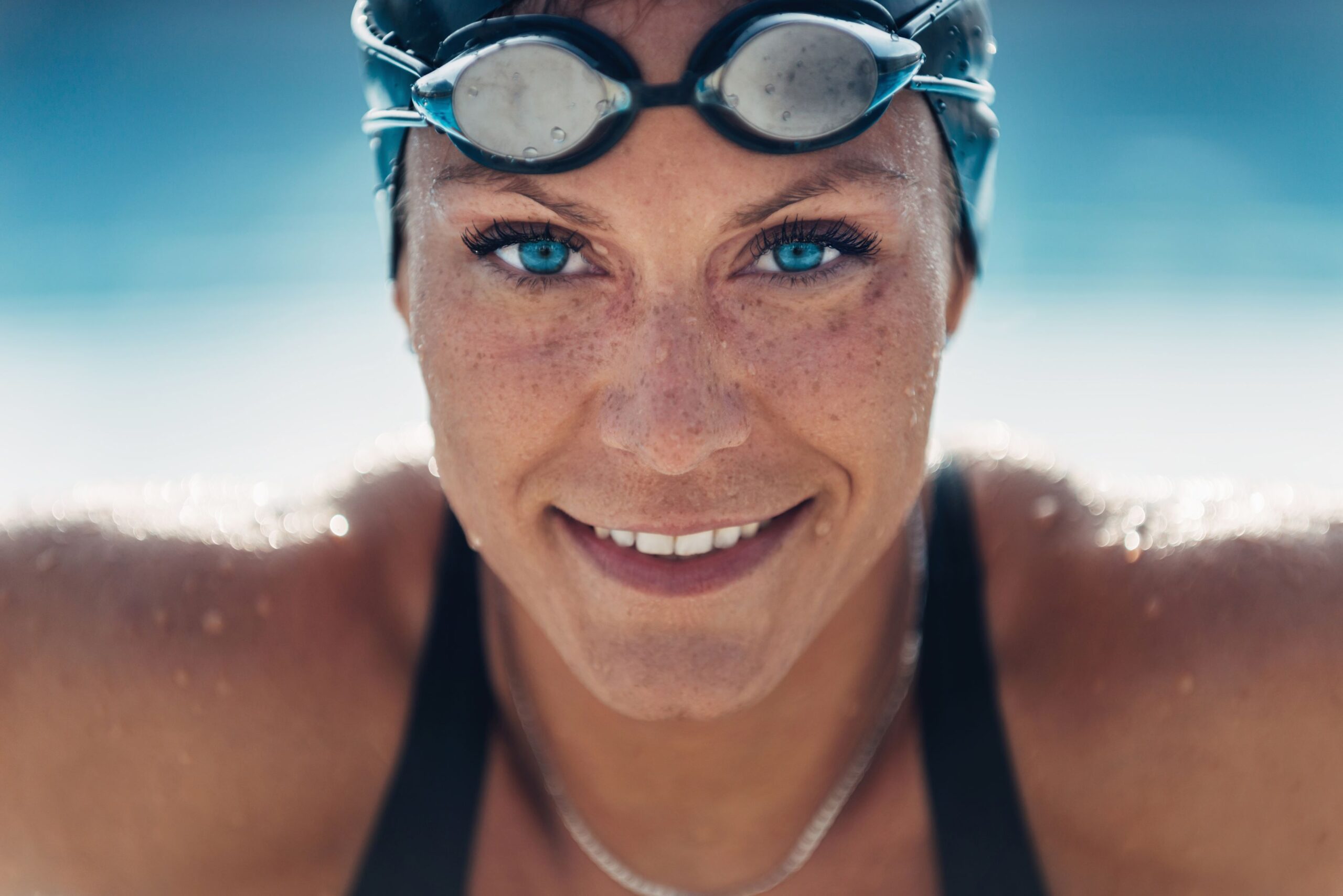 Chlorine is used to keep swimming pools clean, but repeated exposure can be tough on the hair shaft. Frequent swimming may leave your hair feeling dry, rough or brittle because exposure to chlorinated water can affect the hair’s natural protective properties. Hair that becomes increasingly dry and fragile can be more susceptible to breakage, especially when combined with sun exposure, heat styling, coloring or other chemical treatments.
If enough hairs break, your hair may begin to look less full. That can understandably feel like hair loss when you look in the mirror, but breakage happens along the hair shaft. Pattern hair loss involves progressive changes to susceptible hair follicles. Knowing which one you’re seeing makes a big difference when deciding whether there is actually a hair loss problem to address.
Why Does My Hair Look Thinner After Swimming?
If your hair suddenly seems thinner during the summer or after spending a lot of time in the pool, chlorine should not automatically get all the blame. Wet hair naturally clumps together and can make more of your scalp visible. Dryness and breakage can also change the way your hair looks and feels. And sometimes swimming has nothing to do with the underlying thinning at all.
You may simply be noticing hair loss that was already developing. A widening part, increasing scalp visibility, gradual recession or thinning around the crown may point toward something other than chlorine exposure. If those changes continue when you’re nowhere near a swimming pool, it is worth looking beyond the water for an explanation.
How Can You Protect Your Hair When Swimming?
 You don’t need to give up the pool because you’re worried about losing your hair. If you swim frequently, simple habits can help reduce the effects chlorinated water may have on the hair shaft. Rinsing your hair with fresh water before getting into the pool can reduce how much pool water your hair absorbs, and rinsing again after swimming helps remove residual chlorine. Using a gentle shampoo and conditioner appropriate for your hair can also help manage dryness.
A swim cap can provide another layer of protection for frequent swimmers, although it may not keep the hair completely dry. If your hair is colored, chemically treated or already prone to dryness and breakage, you may need to pay even more attention to how it responds to repeated pool exposure.
When Is It More Than Chlorine?
If your hair feels dry after a week at the pool, chlorine may be part of the explanation. If you’re seeing progressive thinning, a receding pattern, a widening part, increasing scalp visibility or significant ongoing shedding, there may be something else happening.
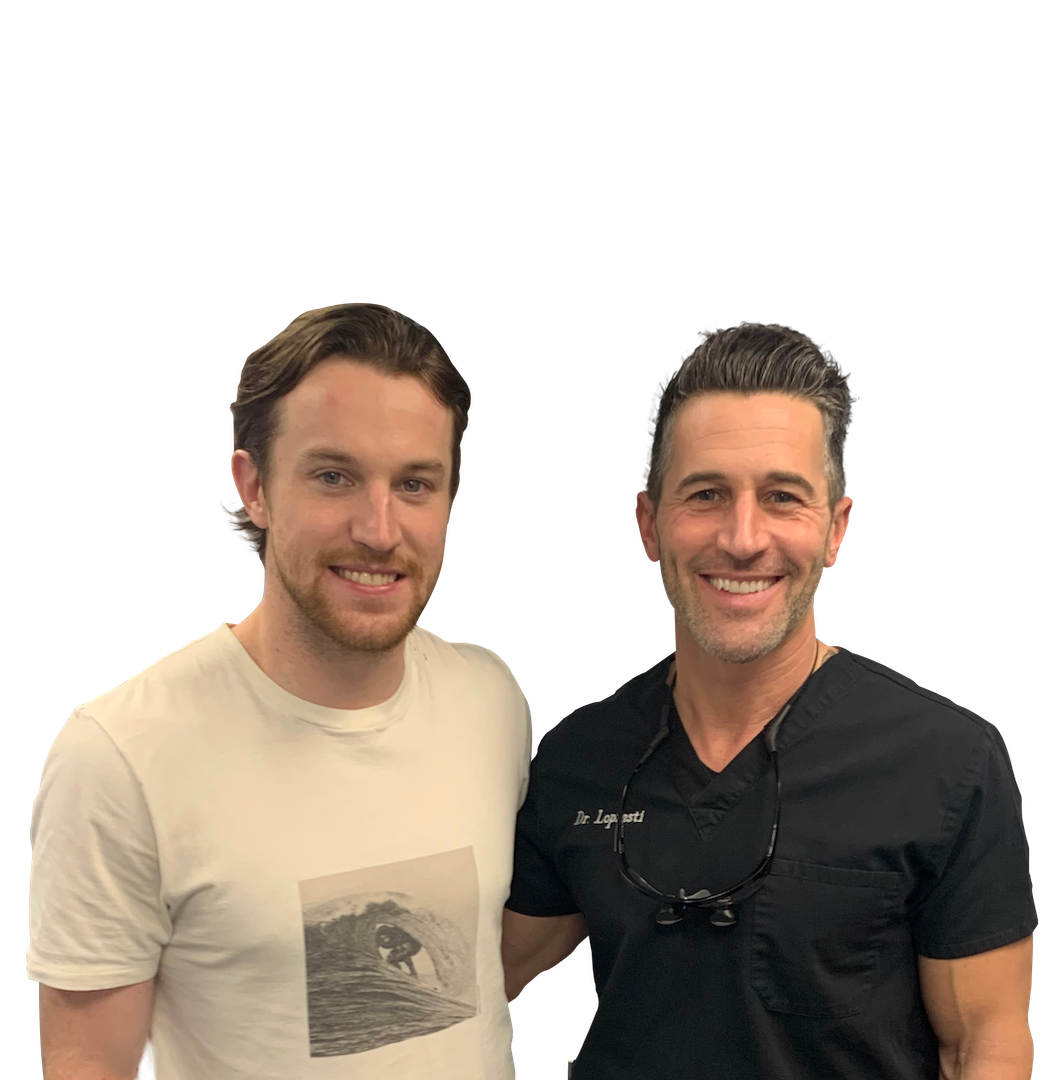
Dr. Matthew Lopresti, Chief Hair Restoration Surgeon at Leonard Hair Transplant Associates, evaluates men and women experiencing hair loss throughout Boston and New England. The goal is to determine whether what you’re seeing is hair shaft damage and breakage, genetic pattern hair loss, excessive shedding or another type of hair loss before discussing whether treatment is appropriate.
Chlorine can be hard on your hair. That doesn’t mean it’s making you go bald. Knowing the difference between damaged hair and hair loss is what matters.