


Is a Hair Transplant Permanent and Can Donor Hair Come From Someone Else?
Two questions come up surprisingly often during hair transplant consultations. Will the transplanted hair eventually fall out? And if someone has great hair, could they donate some of it to you?
They are simple questions, but the answers explain one of the most important principles behind modern hair transplant surgery. The hair used for a transplant comes from your own permanent donor area, generally located along the back and sides of your scalp. When appropriate donor follicles are transplanted into areas affected by hair loss, they retain the characteristics that made them more resistant to the balding process in their original location.
That is why understanding your donor hair is such an important part of planning a hair transplant.
Is a Hair Transplant Permanent?
Hair transplant surgery is intended to provide permanent hair restoration. During FUE or FUT surgery, follicles are taken from areas of the scalp that are generally more resistant to the effects of pattern hair loss and transplanted into areas where hair has been lost.
Those transplanted follicles typically retain their resistance after being moved. Once the transplanted follicles have healed and entered their normal growth cycle, they can continue producing hair for many years.
That does not mean every hair on your head is permanently protected from hair loss. Your existing non transplanted hair may continue to thin over time. This distinction is important because someone can have healthy transplanted hair while continuing to lose surrounding natural hair.
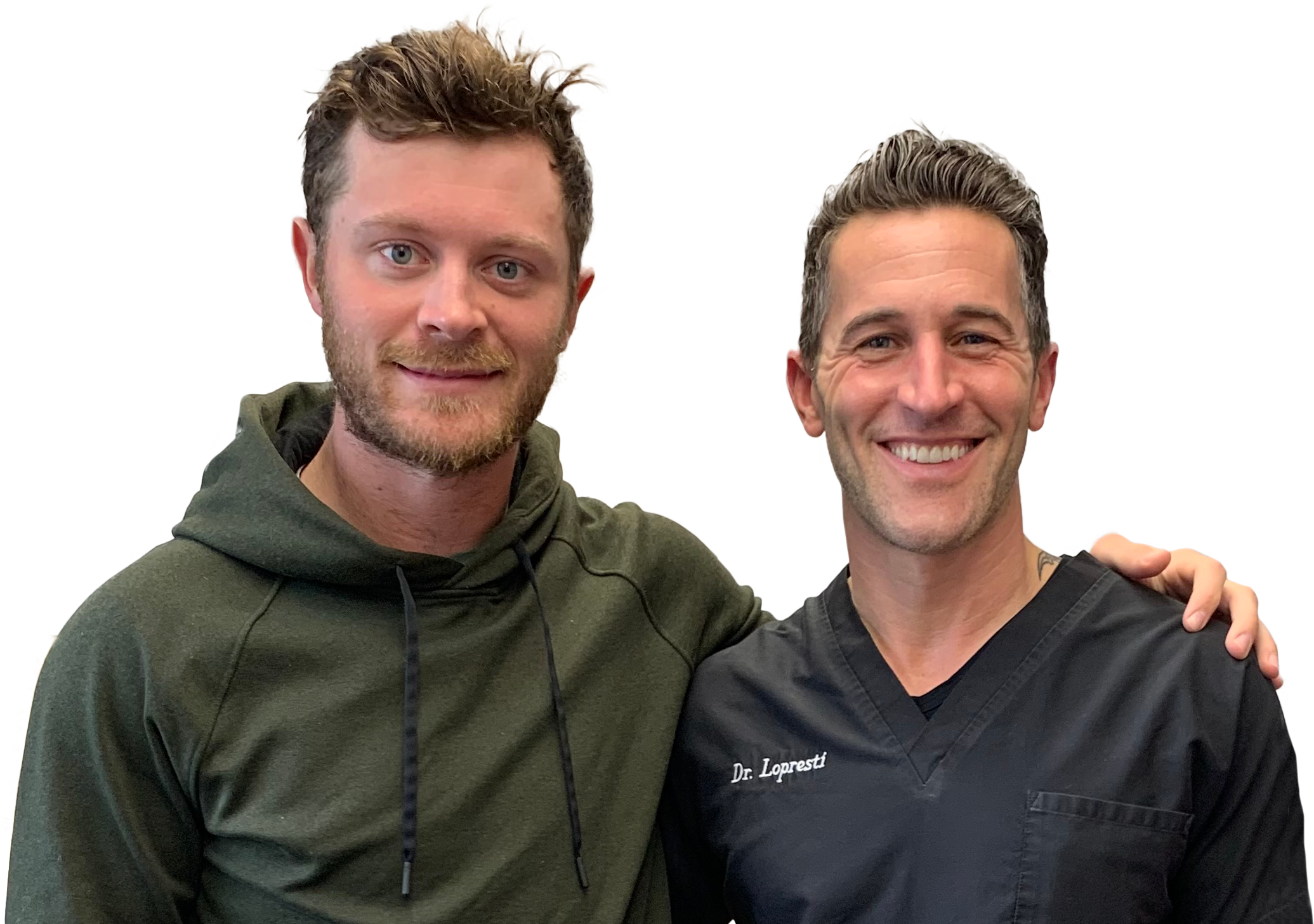
It is one reason Dr. Matthew Lopresti looks beyond the area you want restored today when planning surgery. A good hair transplant should make sense now, but it should also be planned with the possibility of future hair loss in mind.
Why Does Donor Hair Matter So Much?
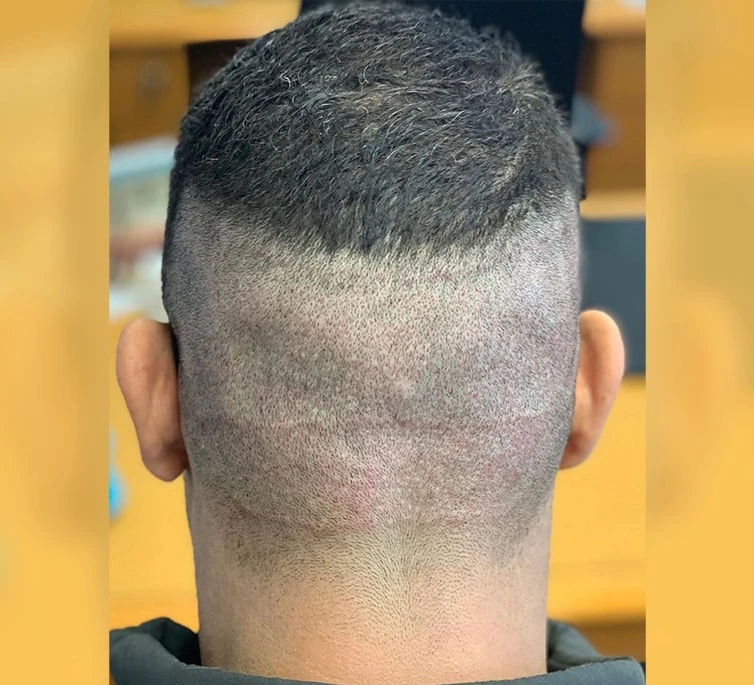
FUE donor site 1 day after surgery
Your donor hair is one of the most valuable resources in hair transplant surgery because there is only so much of it available.
During your consultation, Dr. Lopresti evaluates the density and quality of your donor area along with your existing hair loss and the areas you would like to restore. That evaluation helps determine whether you are a good candidate for surgery and what can realistically be accomplished.
This is also why simply focusing on how much hair can be transplanted during one procedure can miss the bigger picture. Using donor hair wisely matters, particularly for someone whose hair loss may continue to progress.
Can Someone Else Donate Hair for Your Hair Transplant?
No. Hair transplant surgery uses your own hair.
A spouse, sibling, parent or friend cannot donate follicles for your hair transplant the way someone might imagine donating hair for a wig. Hair follicles are living tissue. Transplanting follicles from another person would create the same fundamental immune rejection issues associated with other transplanted human tissue.
Fortunately, a hair transplant does not require someone else’s hair. Both Follicular Unit Excision, or FUE, and Follicular Unit Transplantation, or FUT, are designed to redistribute your own permanent donor hair to areas where it can create a natural cosmetic improvement.
What Happens to the Transplanted Hair After Surgery?
One part of the process can initially surprise patients. The visible hairs associated with newly transplanted follicles may shed following surgery. That does not necessarily mean the transplant has been lost.
The follicles remain beneath the skin as the scalp heals and eventually begin producing new hair. Hair transplant results develop gradually rather than immediately, which is why evaluating the outcome of surgery requires patience.
Your consultation and postoperative visits are opportunities to understand what to expect during each stage of that process.
Planning a Hair Transplant for the Long Term
The question is not simply whether transplanted hair can last. The larger question is how that permanent donor hair should be used.
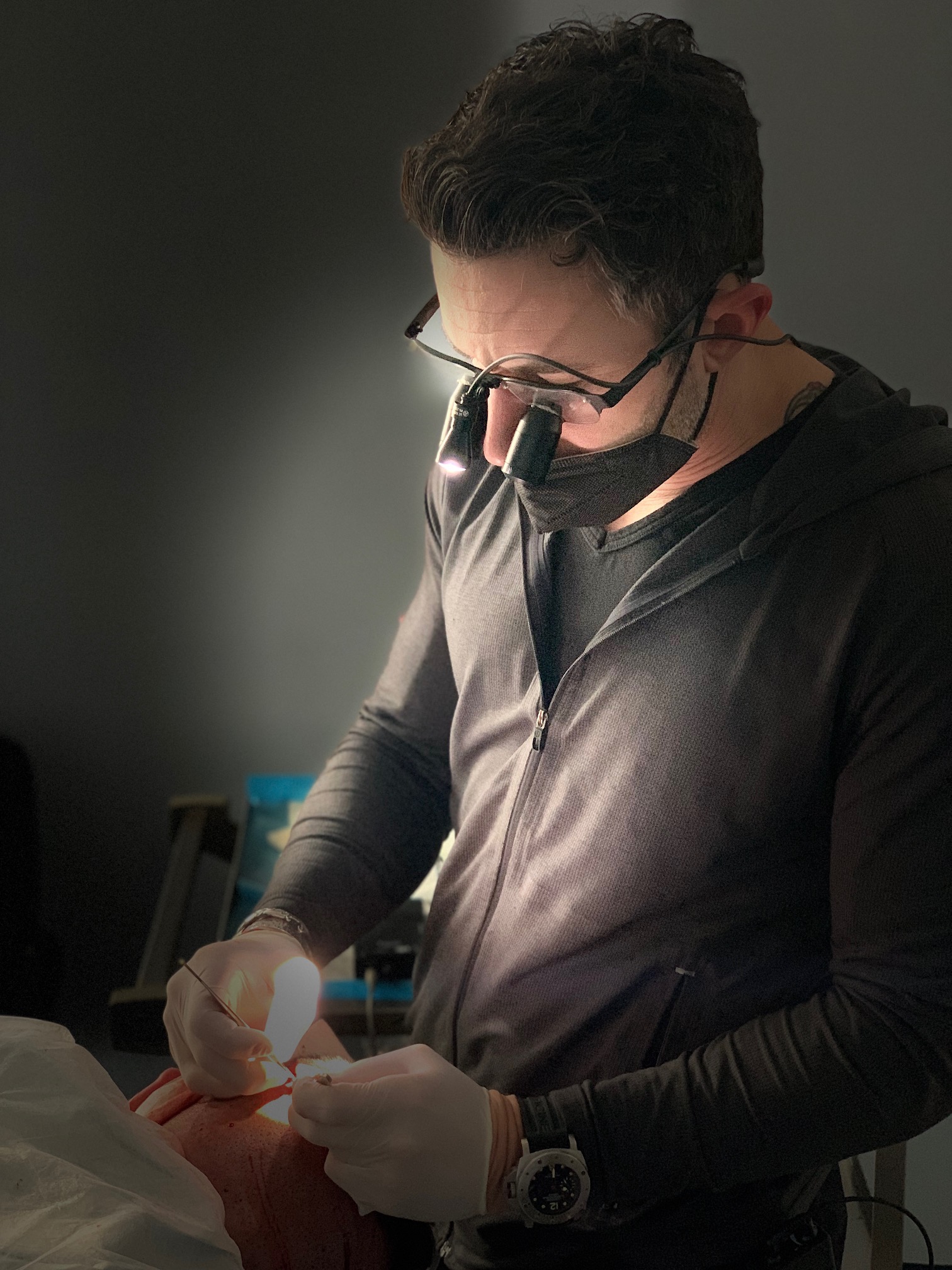
Dr. Lopresti personally evaluates patients considering hair transplant surgery at Leonard Hair Transplant Associates. He looks at the donor area, existing pattern of hair loss, age, goals and potential for future loss before recommending FUE, FUT or another approach.
Sometimes the most important part of planning a hair transplant is deciding where to place hair. Sometimes it is deciding where not to place it yet.
Your donor hair is limited. The plan for using it should not be.